Many homeowners wonder if they can save time by applying new grout directly over old grout. The short answer is: yes, you can put new grout over old grout — but only when the existing grout is still in good condition.
This guide explains when it works, when it doesn’t, and how to do it properly for long-lasting results.
Can You Really Grout Over Existing Grout?
Yes. You can apply new grout on top of old grout as long as the existing grout is still structurally sound.
This means the grout must not be:
Crumbling
Hollow-sounding
Deeply cracked
Missing in sections
Exposed to moisture damage behind the tile
If any of these issues are present, covering it with new grout won’t solve the problem, and the new grout will fail quickly.
When Grouting Over Old Grout Works
Applying new grout over old grout is effective when:
Your grout looks bad but is still solid
You want a quick cosmetic refresh
The joints are shallow but intact
Only minor touch-ups are needed
The area has low or moderate traffic
This method is commonly used for:
Powder room floors
Laundry rooms
Backsplashes
Small tile areas needing quick improvement
When You Shouldn’t Grout Over Old Grout
Avoid applying new grout over old grout if:
The existing grout is cracked, soft, or flaking
Tiles move under pressure
You see deep moisture stains or mold
Grout joints are already completely full
There are hollow or loose tiles
In these cases, only grout removal and regrouting will provide a lasting fix.
Why Grouting Over Old Grout Works (Sometimes)
Cement-based grout bonds well to:
Porous surfaces
Rough textures
Existing cementitious material
Old grout can act as a base, but only if you remove a thin layer first so the new grout can adhere. New grout needs at least 1/16″ to 1/8″ of depth to bond properly.
How to Apply New Grout Over Old Grout
1. Clean the Existing Grout
Remove debris, soap scum, grease, and any loose material using a grout-safe cleaner.
Let the area dry completely.
(Dirt left behind weakens the bond.)
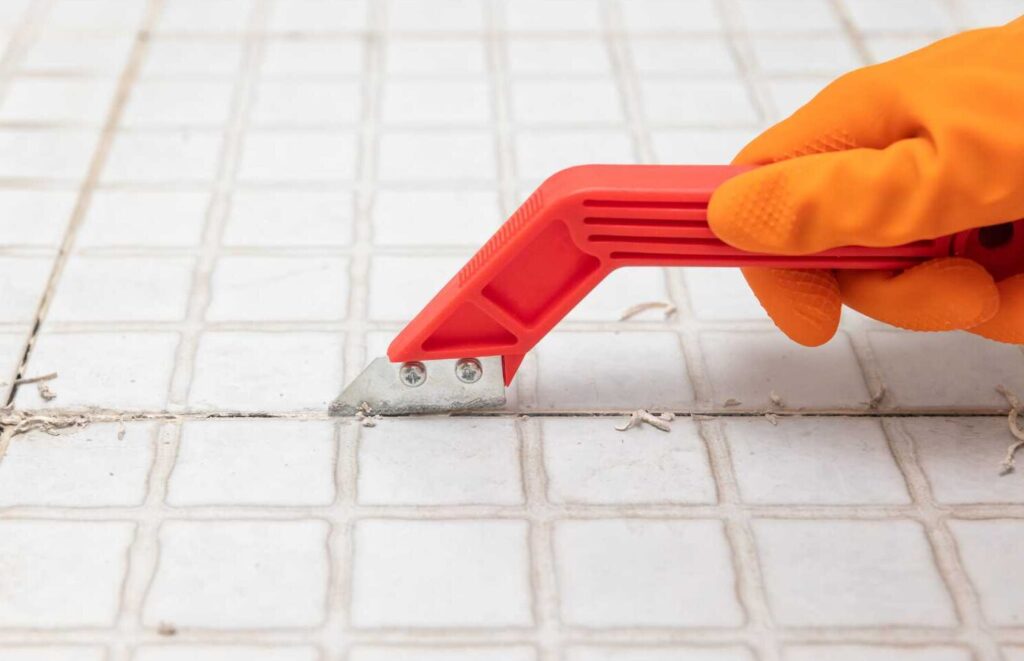
2. Remove the Top Layer
Even if you’re not doing full removal, lightly shave off 1–2 mm of the old grout using:
A hand grout saw
A utility knife (carefully)
An oscillating tool with a grout blade
This step is crucial for strong adhesion.
3. Vacuum the Joints
Clean all dust from the grout lines so the new mixture bonds properly.
4. Mix New Grout Correctly
Follow the manufacturer’s instructions and measure water carefully.
Using too much water weakens the final product.
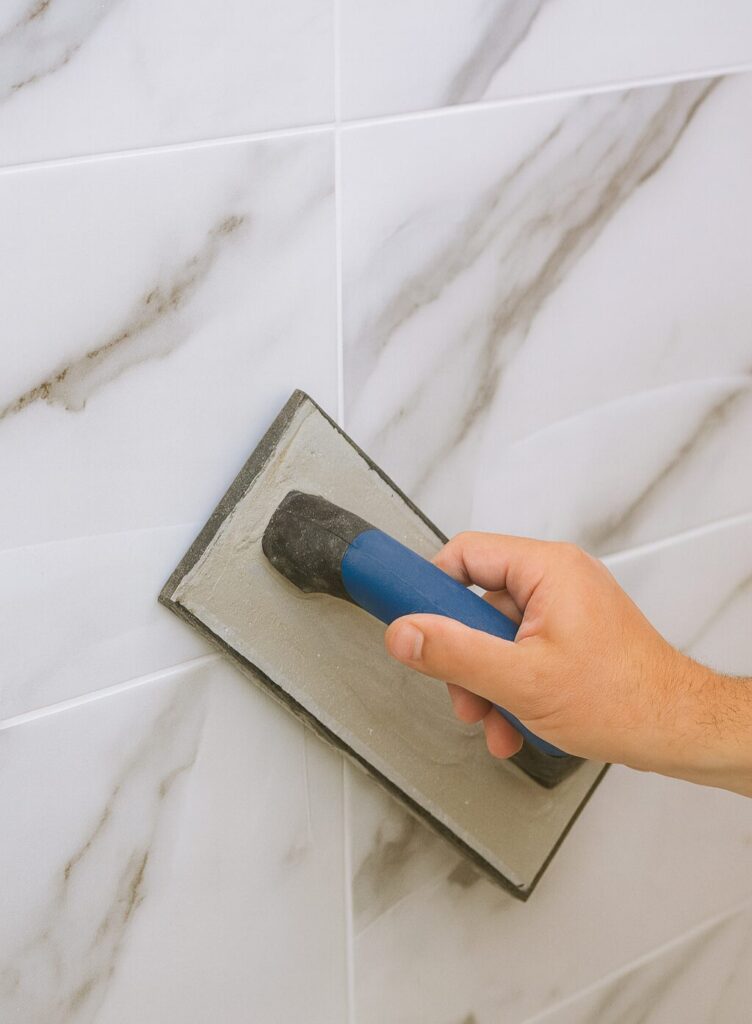
5. Apply the New Grout
Using a rubber float held at a 45° angle, press firmly to ensure the grout is packed into the joints—not just spread across the surface.
6. Wipe Away Excess
After 10–15 minutes, lightly sponge off the tile surface while shaping the joints.
7. Allow Correct Cure Time
Cement-based grout needs:
24 hours before light use
72 hours for full cure
Seal the grout after curing if the product recommends it.
Will the New Grout Stick?
New grout will stick if:
The old grout was properly cleaned
The surface layer was removed
Dust is cleared from the joints
The grout is not contaminated with soap, minerals, or grease
Skipping prep work is the #1 cause of failure.
Is It Better to Remove Old Grout Instead?
Removing old grout is the best choice when:
You want the longest-lasting result
Tiles are in a shower or constantly wet area
The grout is damaged or missing
You’re changing grout color significantly
You’re working with natural stone or delicate tile
Full removal always creates the strongest bond for new grout.
Grouting Over Old Grout vs. Other Options
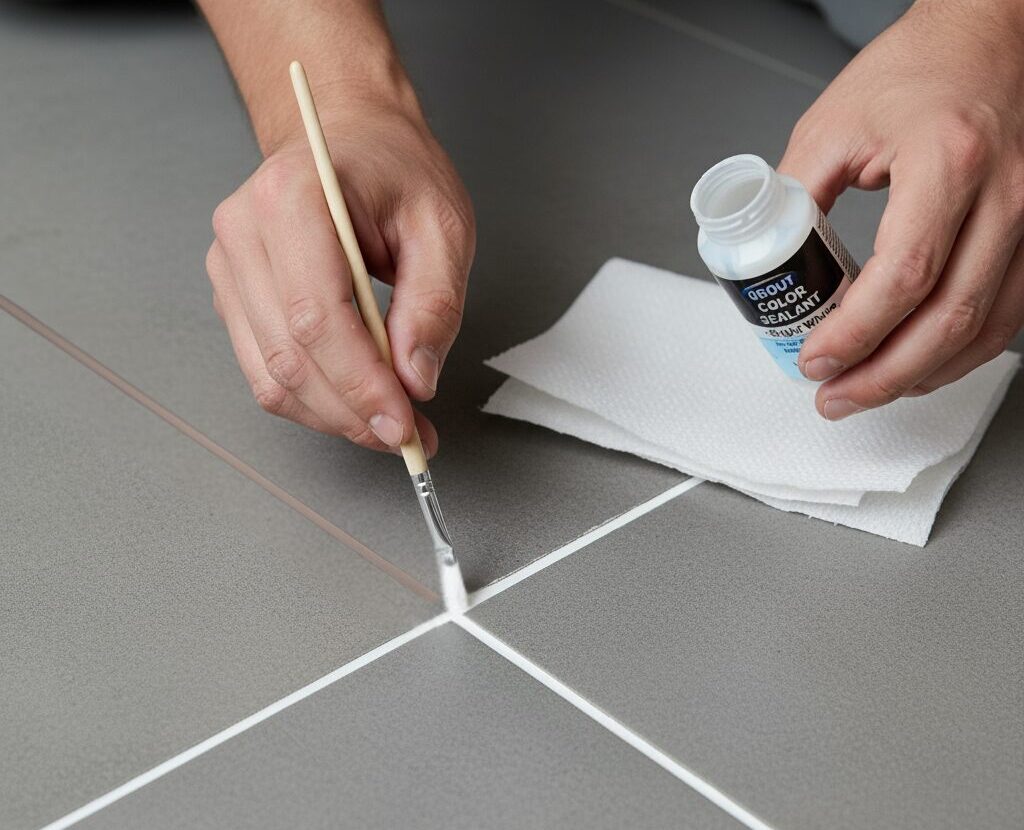
Grout Colorant
Best for appearance upgrades and stain coverage.
Lasts 5–10 years with proper prep.
Grout Pens
A fast, affordable cosmetic fix.
Shorter lifespan, not structural.
Full Regrout
Best long-term solution when grout is failing.
Final Answer: Is It Okay to Grout Over Old Grout?
Yes, you can put new grout over old grout—if the old grout is solid and you remove the top layer first.
For cosmetic refreshes, this method works well. But for cracked, loose, or damaged grout, full removal is the only reliable solution.