How to Replace Grout
Grout (the cement that goes between tiles) can be replaced when it fails. Over time grout can develope cracks, crumble or even stain, especially in high traffic areas. Common causes of failure are structural movement (house settling) , poor original installation (the grout was mixed too wet or too dry), use of harsh cleaners that can break it down. If grout is simply dirty or mildly stained , a thorough cleaning and sealing may be all you need. But if its cracked, missing or crumbling, then replacing is usually the best solution.
Why grout fails
Tile grout has no elasticity, so even minor movement can crack it. In showers, grout often fails at the 90° joints between walls and floors or at outside corners, because settling floors or shifting walls strain the rigid grout. Flooding or leaking water will also weaken cement grout bonds over time, as will acidic or caustic cleaners that eat into the grout. Grout mixed improperly (too much water) or installed by amateurs can crumble prematurely. Heavy foot traffic on floors will wear grout down as well. Simply put, grout can fail from poor quality or installation, long-term exposure to moisture/chemicals, or the natural settling and wear of a home over the years.
Cleaning and minor repairs
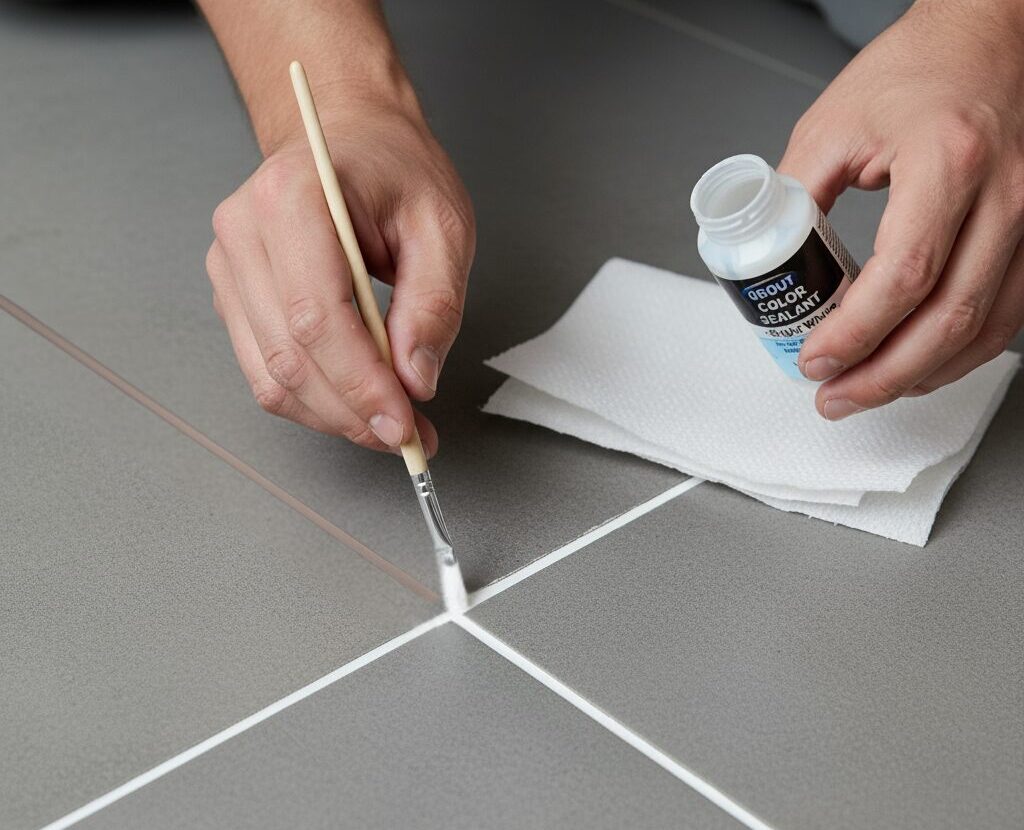
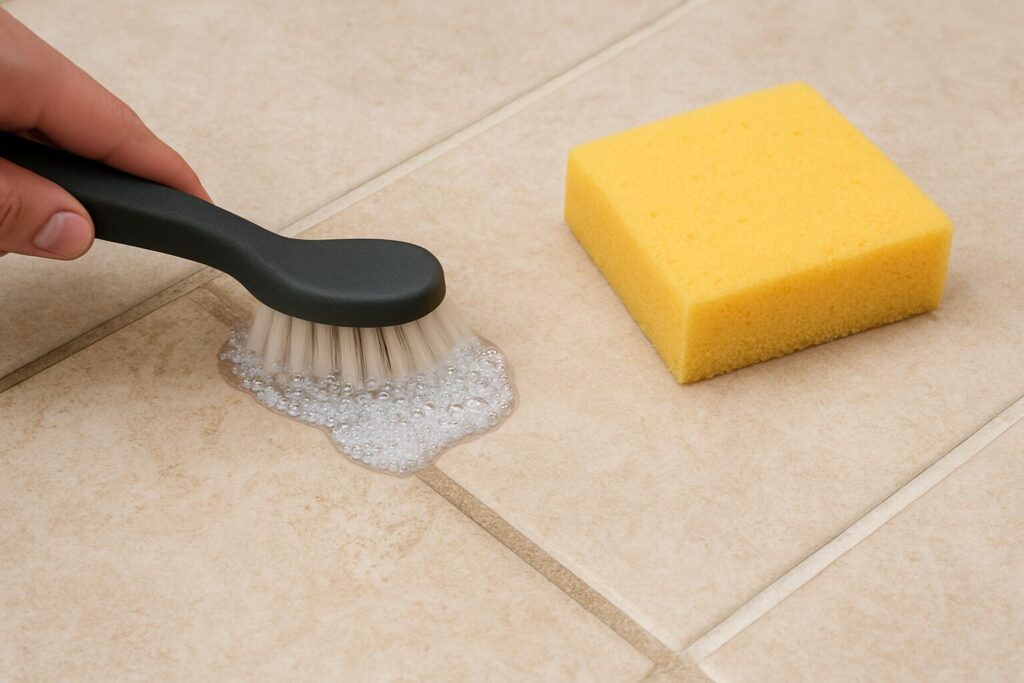
Before regrouting an entire area, try cleaning and sealing first. Mild stains and mildew often come out with scrubbing: use a stiff nylon brush with a mixture of warm water and dish soap (or a gentle cleaner) and let it soak briefly. If grout lines are only dirty or discolored (but not cracked), this cleaning can revive their appearance. After cleaning and drying, apply a grout sealer or a grout colorant to protect cement grout from moisture and future staining. (Unsealed grout is porous and can crack or grow mold if left unprotected.) For very small gaps or corner joints, you can also use matching silicone caulk instead of grout to seal them; caulk is flexible and often preferred at edges and corners where movement occurs. However, any grout that is crumbling or has pieces missing will not stay sound by cleaning alone – missing grout should be replaced.
Replacing damaged grout
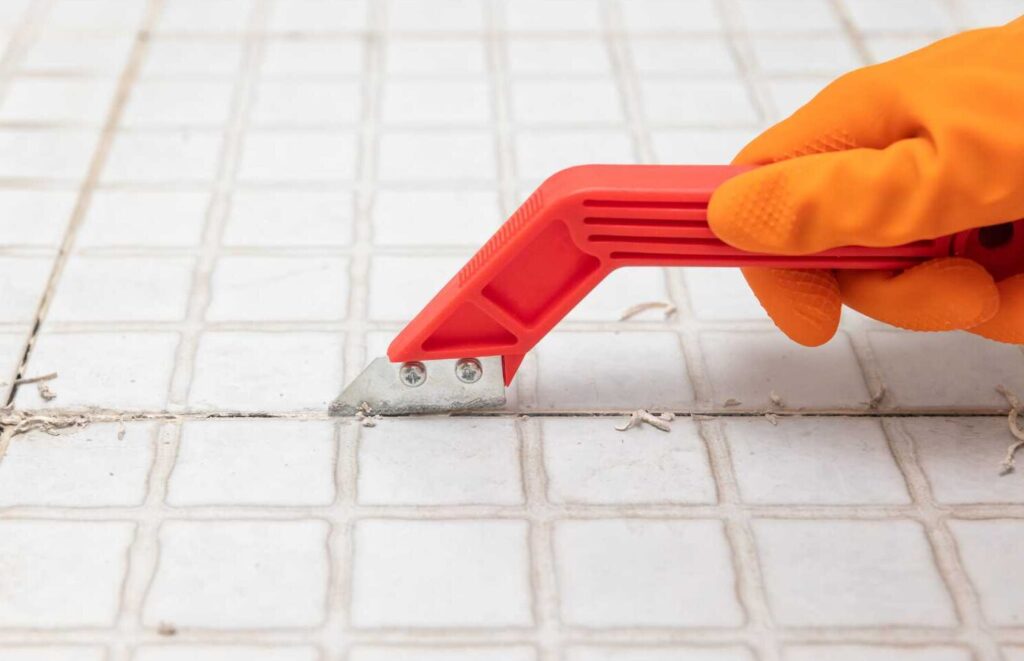
If grout is chipped, cracked, or falling out, plan to regrout the damaged area. This might mean replacing only the bad sections or removing all the grout between tiles if it’s widespread. (High-traffic areas like entryways or pool decks often need full regrouting.) Always remove and replace bad grout rather than trying to paint or “spot fix” it, because loose grout will continue to fail. The general steps to regrouting are: Remove old grout. Remove the damaged grout using a grout removal tool or blade. You can do this by hand with a utility knife (our personal favorite) grout saw or scraper, or use a power oscillating tool fitted with a grout-cutting blade. Work slowly along the lines in short sections so you don’t chip tiles. It’s best to remove about half the depth of the grout line (for example, remove 1/8″ out of a 1/4″ thick grout) so that new grout can key in. Be very gentle with the edges of the tile as they can easily chip if you aren’t careful. If you have heated floors make sure to not go deeper than the thickness of the tile, any deeper and you can cut the heated cables and short the heated floor.
Always vacuum or sweep up the dust frequently.
Clean thoroughly. After most old grout is scraped out, carefully use your utility knife or similar thin bladed tool to knock out any stubborn bits. Then vacuum or wipe the joints clean so the new grout will bond properly. Make sure the gaps are completely empty and dry before proceeding.
Conclusion
In summary, grout can and often should be replaced when it’s cracked, deteriorated, or unsightly. Before resorting to regrouting, try cleaning with a stiff brush and mild detergent, and always seal cement grout regularly to extend its life. When replacement is needed, remove the old grout, clean the gaps, and pack in new grout as outlined on our site. With the right tools and technique, your tile walls and floors can look refreshed and last many more years.