Grout paint pens have become a popular quick-fix for making dirty or discolored grout look new again. But are they actually worth using? In this guide, we’ll break down how grout pens work, when they’re effective, how long they last, and whether they’re a good solution for your project.
What Is a Grout Paint Pen?
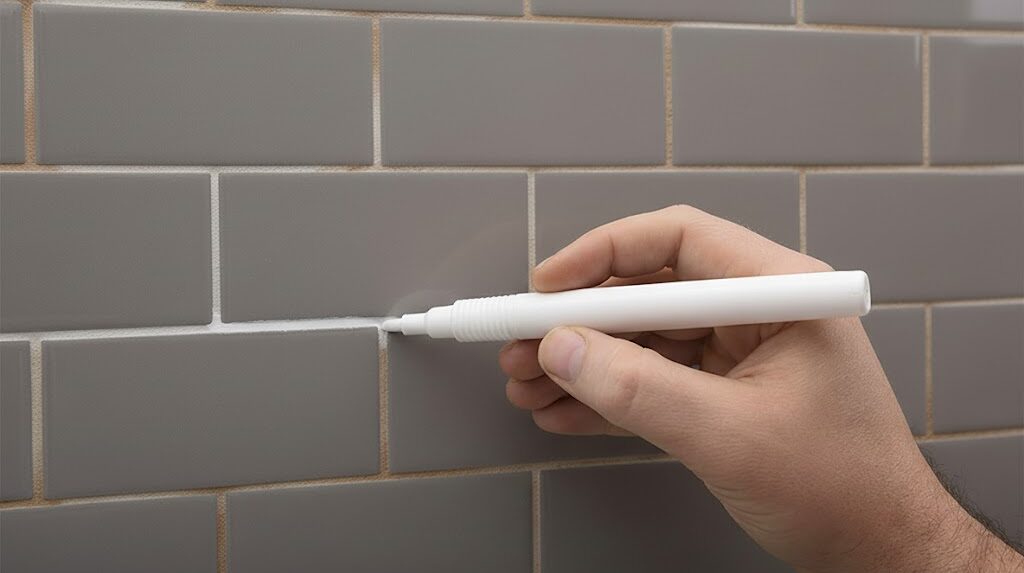
A grout paint pen is a marker-style tool filled with grout colorant. Instead of removing grout or regrouting, you simply “draw” over the grout lines to refresh or change the color.
They’re designed to:
Cover stains
Brighten dingy grout
Give tile a cleaner, newer look
Change grout color without replacing it
They’re popular because they’re affordable, fast, and beginner-friendly.
Are Grout Pens Worth It? (Short Answer)
Yes—grout paint pens are worth it for quick cosmetic improvements, especially if your grout is stained but still structurally sound.
They are not a replacement for actual regrouting and won’t fix cracked, crumbling, or missing grout.
When Grout Pens Work Well
Grout pens are ideal when:
Your grout is stained or discolored
The grout is still solid (no cracks or chunks missing)
You want a fast, budget-friendly refresh
You want to change grout color without a full renovation
The project area is small or medium-sized
They’re commonly used in:
Hallway and bathroom floors
Backsplashes
Powder rooms
Laundry rooms
Rental units
When You Shouldn’t Use a Grout Pen
Skip grout pens if:
Grout is cracked, crumbling, or hollow
Tiles move when walked on or tapped
Mold is present
There is moisture behind the tile
The area is high-use and constantly wet (like inside a shower)
In those cases, regrouting—or at least repairing—will give a more durable result.
How to Use a Grout Paint Pen (Step-by-Step)
1. Clean the Grout Thoroughly
This is the most important step. Dirt, soap scum, and mineral buildup will prevent the colorant from bonding.
Use:
A grout-safe cleaner
A brush
Warm water
Let the grout fully dry before applying.
2. Shake and Prime the Pen
Shake the pen and press the tip down on a scrap surface until the paint flows.
3. Apply to the Grout Lines
Run the pen slowly along each grout joint.
Use consistent pressure to avoid thick or uneven lines.
4. Wipe Tile Edges Quickly
If color gets on the tile, wipe it off while still wet.
5. Add Additional Coats
Most grout pens need 2–3 coats for full coverage, especially if you’re changing the color dramatically (e.g., black to white).
6. Allow to Cure
Most brands require:
24–48 hours before getting wet
72 hours for full cure
Read the specific product instructions for best results.
How Long Do Grout Pens Last?
Longevity depends on:
Foot traffic
Cleaning habits
Moisture exposure
Product quality
On average, grout pens last:
1–2 years in low-traffic areas
6–12 months in medium-traffic areas
Only a few months in wet, high-use areas like showers
For many homeowners, this is still worth the tradeoff for the instant improvement.
Pros and Cons of Grout Paint Pens
Pros
Very affordable
Fast and easy
Great cosmetic upgrade
Can completely change grout color
No special tools needed
Cleaner than regrouting
Cons
Not a structural repair
Needs touch-ups over time
Not ideal for showers
Can fade with strong cleaners
Time-consuming for large rooms
Grout Pens vs. Grout Colorant
These two products are often confused, but they’re not the same.
Grout Pens
Thin, marker-style tip
Best for small areas
Easier for beginners
Shorter lifespan
Liquid Grout Colorant
Brushed or wiped on
Thicker, more durable coating
Better for large rooms
Can last 5–10 years with proper prep
If you want a long-term color change, colorant is usually the better option.
Final Verdict: Are Grout Pens Worth It?
Yes, grout pens are worth it when you want a fast, inexpensive way to refresh grout or change its color—especially in low- to medium-traffic areas.
They are not a replacement for regrouting, but they’re perfect for cosmetic makeovers and “quick wins” that make tile look clean and updated.